Why Does CBD Hit Some People and Do Nothing for Others?
Cannabidiol — better known as CBD — has exploded in popularity with gamers, athletes, and wellness seekers alike. Companies like Joy Organics have made it easier than ever to get your hands on high-quality, broad-spectrum CBD products. Yet the question remains puzzling: Why does CBD seem to “hit” some people really well, while others report little or no effect? Understanding this paradox requires digging into CBD basics, the role of THC, legal thresholds, and the science behind dosing and individual response.
CBD Basics and The Key Role of THC
CBD is one of over 100 cannabinoids naturally found in Cannabis sativa, the same species that yields marijuana and hemp. Unlike THC (tetrahydrocannabinol), CBD is non-intoxicating — you won’t get “high.” That’s a vital distinction, especially for athletes and regulators.
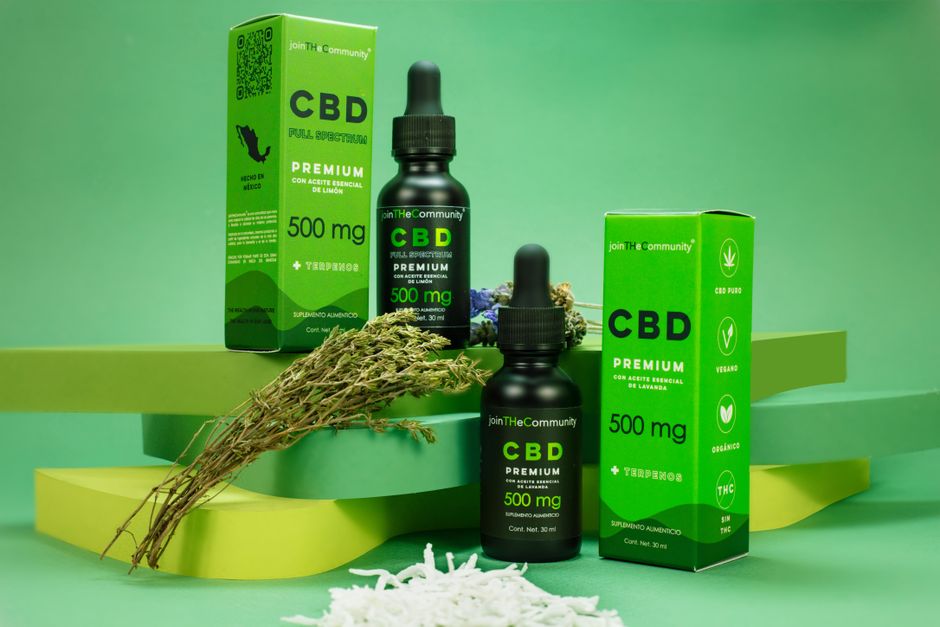
- CBD: Non-psychoactive, interacts with the endocannabinoid system, thought to modulate mood, inflammation, and pain.
- THC: The primary psychoactive compound; at levels above 0.3% in hemp, it’s regulated under marijuana laws.
CBD products labeled “broad-spectrum” or “CBD isolate” usually have no detectable THC, while “full-spectrum” hemp extracts contain trace THC — legally capped at 0.3%. This small amount is unlikely to produce intoxication but might influence CBD’s effects through what’s called the “entourage effect.”
Hemp Legality and the 0.3% THC Threshold
Since the 2018 U.S. Farm Bill legalized hemp cultivation, hemp-derived CBD has flooded the market, provided the THC content stays below the federally mandated 0.3% dry weight threshold. This legal definition means that while CBD itself isn’t psychoactive, small amounts of THC may still be present in many products sold by companies such as Joy Organics.
For elite athletes and competitive gamers concerned about anti-doping rules, it’s important to know that the World Anti-Doping Agency (WADA) removed CBD from its banned substance list in 2018. However, THC remains prohibited in-competition. So even trace THC exposure can have implications depending on product purity and dosing.
CBD Bioavailability and First-Pass Metabolism
One core reason CBD's effects vary massively is its notoriously low bioavailability when taken orally. Bioavailability here means the fraction of CBD that reaches systemic circulation after ingestion.
CBD taken in gummies or capsules undergoes first-pass metabolism — enzymes in the liver break down a substantial portion before it ever reaches the bloodstream. Estimates suggest only about 6-20% of oral CBD makes it into circulation.
Contrast this with vaporized or sublingual (under-the-tongue) CBD oils, which bypass the first pass effect and deliver higher concentrations to the body faster. This helps explain why two individuals taking the same oral dose might experience completely different outcomes.
Table: Estimated Bioavailability of Common CBD Administration Methods
Method Estimated Bioavailability Notes Oral (Gummies, Capsules) 6-20% Subject to first-pass metabolism; effects delayed 30-90 mins Sublingual Oils/Tinctures 12-35% Faster onset; avoids first-pass metabolism partially Vaporized/Inhaled 31-56% Fastest onset and highest bioavailability, but less convenientEvidence Strength: Anxiety vs. Sleep vs. Performance
CBD's potential benefits are broad but the evidence varies in quality and consistency. This inconsistency partly drives why some users feel robust effects while others feel “nothing.”
- Anxiety Relief: Several well-controlled human studies have shown that moderate doses of CBD can reduce anxiety symptoms. This is the best-supported mental health claim backed by clinical trials and neuroimaging.
- Sleep Improvement: Evidence is mixed. Some studies and user reports suggest CBD aids sleep onset and quality, especially in individuals with anxiety or chronic pain, but others observe no benefit or even slight stimulation.
- Physical Performance & Recovery: The data is preliminary. Some rodent studies suggest anti-inflammatory and analgesic effects, but quality human trials are sparse. Elite athletes have shown interest, yet dosing and effects remain unclear.
If you’re considering CBD for a specific benefit, your expectations should be aligned with the corresponding strength of evidence. Companies like Joy Organics often promote anxiety and stress relief benefits more than performance enhancement, which is prudent given the regulatory environment and science.
Dosing Mismatch: Studies vs. Commercial Gummies
One of the biggest frustrations is the typical serving size of commercial CBD gummies **vs.** the doses employed in scientific studies. Clinical interventions demonstrating anxiolytic or therapeutic effects often use 300 mg or more of CBD — levels far above the 10-30 mg doses found in many gummies on the market.
“Taking a 20 mg gummy after a stressful event won’t deliver the same impact as a 300 mg dose used during clinical trials.”
Consequently, many users inadvertently underdose, leading to weak or no noticeable effects. Moreover, individual metabolism, weight, and CBD receptor genetics influence response.
The Role of Individual Response in CBD Effectiveness
The emerging consensus among researchers and supplement veterans is that CBD individual response is influenced by:
- Genetics: Variations in the CB1 and CB2 receptor genes and enzymes metabolizing cannabinoids.
- Endocannabinoid System Status: Personal differences in endocannabinoid tone influence how one’s system responds to supplementation.
- Concurrent Medications: CBD can interact with drugs metabolized by CYP450 enzymes, altering effects or safety.
- Product Quality: Inconsistent dosing, mislabeled THC content, or poor bioavailability formulations can skew results.
This is why we always recommend looking for products with transparency — including third-party batch lab reports from reputable brands such as Joy Organics. Beware of companies that exaggerate “strength” claims without providing detailed cannabinoid profiles.
Summary: Why Does CBD Hit Some People and Do Nothing for Others?
Let’s recap the main drivers behind this variability:
- Low and Variable Oral Bioavailability: First-pass metabolism means much CBD is broken down before systemic circulation.
- Differences in Formulations: Full-spectrum products with trace THC may feel different versus isolates, potentially enhancing effects via entourage synergy.
- Dosing Mismatch: Many consumers take too low a dose compared to what clinical studies suggest is effective.
- Individual Biology: Genetics, metabolism, and endocannabinoid system status drastically influence response magnitude.
- Regulatory and Quality Factors: Legality capped at 0.3% THC limits some formulations; product purity and lab testing transparency vary widely.
Closing Thoughts
CBD is not a one-size-fits-all remedy — if it “hits” you, it’s likely a combination of getting the right dose, formulation, and your unique biology. For serious users and athletes mindful of the World Anti-Doping Agency (WADA) guidelines and FDA regulations, investing in trusted companies like Joy Organics with transparent lab testing is critical.
If you’re experimenting with CBD gummies or oils, start low but consider that some clinical benefits observed occurred at doses much higher than a typical gummy provides. Pay attention to delivery methods to maximize cbd bioavailability, and always consider individual variables tribality.com before expecting dramatic effects.

The science and market are evolving rapidly — so stay informed, question vague “science says” claims, and don’t hesitate to check batch lab reports before trusting product labels.