What Should I Ask About How Long Effects Take to Show Up With Different Formats?
Whether you're considering a new treatment at a private clinic like Releaf or trying to understand options available via the NHS, one question is always top of mind: how long will it take for the treatment effects to show up?
This seemingly simple question often opens a can of worms—because the duration of effect, or onset time, depends on many factors. In this post, we’ll break down exactly what to ask about when you’re preparing for your appointment, how to interpret the answers you get, and why unrealistic expectations about timeframes and costs can lead to disappointment.
Why Asking About Duration of Effect Matters
Imagine starting a treatment and expecting relief in a few days, only to find it takes weeks or even months. Conversely, some treatments promise quick relief but might come with ongoing monitoring or additional sessions. Without knowing the realistic onset time, you can’t plan your daily life, work, or family commitments properly.
The good news: reputable clinics like Releaf and established NHS services provide guidance on typical timescales. Their websites and official NHS guidance pages often contain useful, evidence-based details. But knowing what questions to ask at your appointment will help you get a personalised, clear picture.
What to Ask Before Treatment: Assessment and Personal History
Start by understanding that no two patients are the same. Your doctor or specialist will want to assess your medical history and any prior treatments, because these heavily influence how quickly and effectively a treatment works.
- What assessments will I have before choosing this treatment? You want to know how thorough the evaluation is. Will it include blood tests, scans, or questionnaires about previous treatments and their effects?
- How might my medical history affect the duration of effect? For example, if you've tried similar treatments before without success, this may indicate a slower or less predictable onset time.
- Is this treatment suitable for my specific condition and lifestyle? Sometimes a treatment works well statistically, but your daily routine or other health issues might slow onset or reduce benefit.
Ask these questions early—ideally during booking or on the clinic’s website. For example, Releaf’s site clearly explains their assessment process and you can compare it with NHS resources to see what fits your needs.
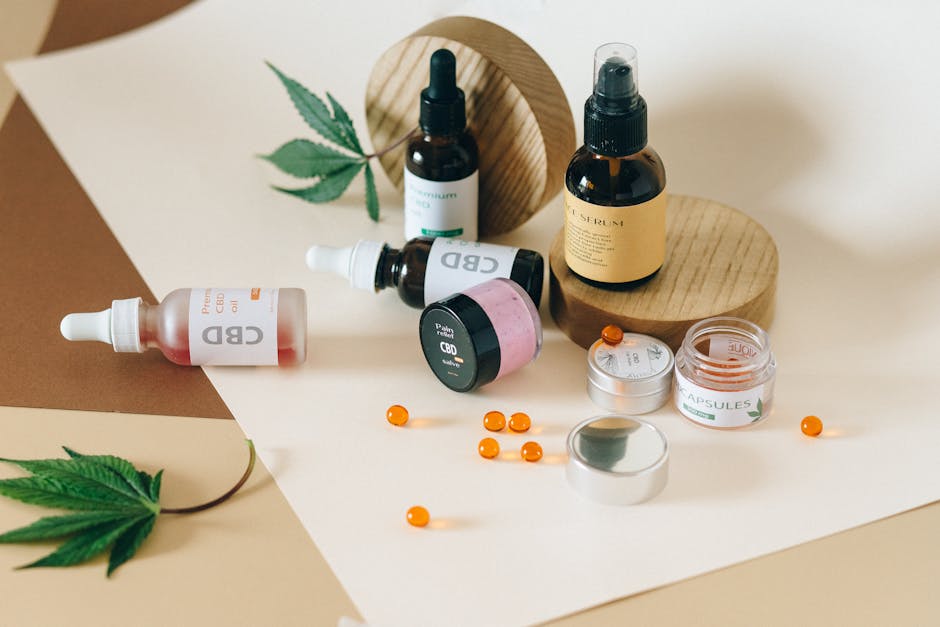
Understanding Duration of Effect and Onset Time by Treatment Format
Treatments come in various formats—oral pills, injections, topical creams, physiotherapy sessions, psychological counselling, etc.—and each has its average duration of effect and time until you notice benefits.
patient checklist for new treatmentOral Medications
Many medications take days to weeks before effects become noticeable. For example, antidepressants usually require 4-6 weeks before mood improvements appear. Ask:
- What is the typical onset time for this medication?
- Are there early side effects I should be aware of that might mask benefits?
- How will the dose be adjusted over time to maximise benefit?
Injections and Infusions
Some treatments like corticosteroid injections or biologics can relieve symptoms more quickly—often within days. However, even these require follow-up:
- How long will the injection’s effects last?
- Is repeat treatment expected, and at what intervals?
- What monitoring plan is in place to track effects and side effects?
Topical Treatments
Topical creams or patches might take weeks to show steady improvement, particularly for chronic skin or pain conditions. It’s crucial to ask:
- What is the expected timeline for visible or symptomatic improvement?
- How often should I apply the product?
- Do I need follow-up appointments to assess skin response?
Therapies and Rehabilitation
For physiotherapy, counselling, or alternative therapies, the effect is often more gradual and linked to multiple sessions:
- How many sessions will it take before I can expect to feel improvement?
- Is there homework or self-care needed between sessions?
- Will progress be monitored and how?
Follow-Up and Monitoring: The Often Overlooked Part of Treatment
One of the biggest mistakes people make is seeing the appointment or initial treatment price as the full picture. Rarely is a health intervention a “one and done” deal.
Most treatments require a monitoring plan to track the onset time and effectiveness. This might include follow-up appointments, tests, adjustments in dosage or therapy approach, and sometimes managing side effects.
When you ask your clinician or when you check a trusted clinic’s website and NHS pages, look for clarity about:

- The schedule for follow-ups – what, when, and how often
- Who coordinates the monitoring – specialist, GP, nurse?
- What signs or symptoms should prompt earlier review?
- How outcomes are measured – symptom scores, scans, blood tests
For example, Releaf may offer follow-up calls or digital check-ins to adjust treatment. Similarly, NHS clinics usually have protocols on review appointments and adjustments.
Expect Realistic Costs Over Months, Not Only Day One
It’s tempting to choose a provider simply because the initial appointment price looks low on the website. However, that price is often just the start.
Ask directly:
- What are the expected costs over a typical treatment course? This should include follow-up visits, tests, repeat treatments, and any self-care products.
- Are there payment plans or packages that cover the full monitoring period?
- Can I access NHS treatment if the private route becomes unaffordable? Knowing this fallback can help you plan better.
Remember, the onset time and monitoring plan tie directly to cost. A quick fix might sound great but can end up more https://smoothdecorator.com/should-i-tell-my-gp-about-a-private-prescription/ expensive if it requires repeats or extra tests.
Summary Checklist: Questions To Ask About Duration of Effect and Monitoring
Topic Key Questions to Ask Assessment Before Treatment- What assessments will you do before deciding the treatment?
- How does my medical history affect the expected onset time?
- When should I realistically expect to see benefits?
- Will effects be immediate, gradual, or variable?
- What follow-up appointments or tests will be needed?
- Who manages my monitoring plan?
- What signs warrant an urgent review?
- What will my total treatment cost likely be over months?
- Are there bundled packages or ongoing fees?
Final Thoughts
Understanding how long treatment effects take to show up and what ongoing support is involved is crucial to making an informed choice. It’s about managing your expectations for recovery and planning your life, finances, and peace of mind accordingly.
Use tools like the Releaf website and NHS guidance pages as starting points. Then bring a tailored list of questions to your appointment that cover assessment, expected effect timing, follow-up, and full cost.
Don’t settle for vague promises or pricing that only details the initial visit. The right provider will help you understand the full pathway, so your treatment can work for your specific health and lifestyle—giving you clarity on the pace of results and what it takes to maintain them.