What is Bla g and Why Is It in My House Dust?
If you’re living along Florida’s northeast coast, particularly between St. Augustine and Palm Coast, chances are you’ve encountered the persistent issue of cockroach allergens in your home. One term you may have heard but not fully understood is Bla g. In this post, we will explore what Bla g is, why it’s in your house dust, and what it means for you and your family—especially if someone suffers from asthma or allergies.
Understanding Bla g: The Cockroach Allergen Protein
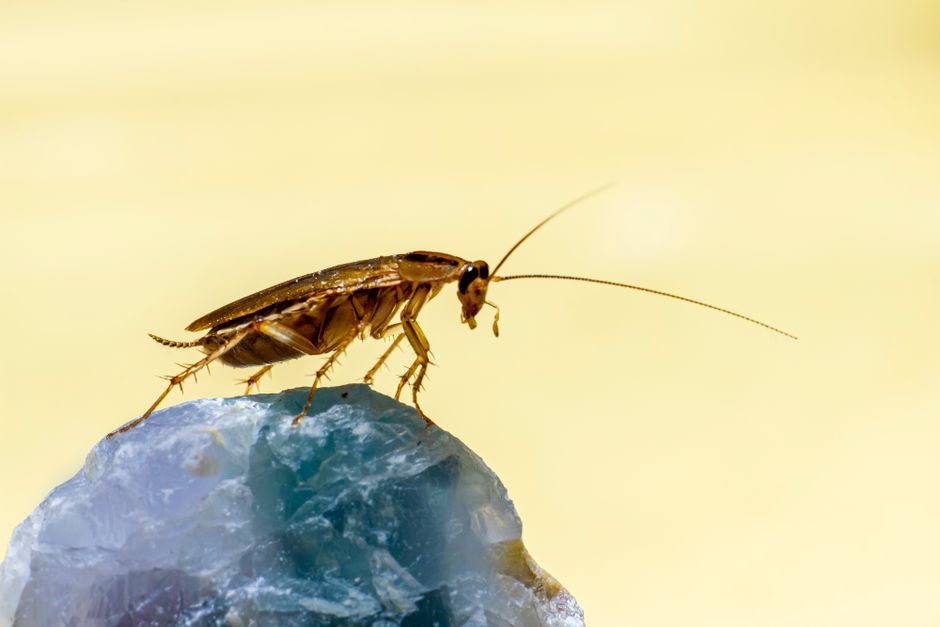
Bla g stands for a specific group of allergen proteins found in the German cockroach ( Blattella germanica). These proteins are primarily found in cockroach droppings, saliva, and body parts. In fact, there are multiple Bla g allergens, but Bla g 1 and Bla g 2 are among the florida asthma triggers most studied due to their strong association with allergic reactions and asthma.
Besides Bla g, another well-known cockroach allergen is Per a, which comes from the American cockroach ( Periplaneta americana)—often mistakenly called a "palmetto bug" around Florida. While these terms are sometimes used interchangeably, it’s important to distinguish between them:
Allergen Protein Cockroach Species Common Name Notes Bla g Blattella germanica German cockroach Most associated with asthma allergic sensitization Per a Periplaneta americana American cockroach (often called “palmetto bug” but not interchangeable with roaches) Also linked to allergen reactions; larger speciesThe Link Between Cockroach Allergens and Asthma
Why should you care about Bla g or roach droppings proteins? The answer is simple but critical: these allergens can significantly worsen asthma symptoms and even trigger asthma attacks. Scientific studies show that exposure to Bla g cockroach allergen is strongly linked with asthma allergic sensitization—meaning the immune system becomes sensitive or “primed” to react to these proteins, leading to inflammation in the airways.
House dust is often loaded with these allergens—not just from visible cockroaches, but from their droppings and shed body parts hidden throughout your living space. The problem gets worse over time, especially in humid environments like Florida where cockroach populations can persist year-round.
Why Is Bla g in My House Dust?
Even if you barely see any roaches, Bla g proteins can accumulate in your home dust for several reasons:
- Hidden Infestations: German cockroaches prefer warm, humid, and hidden places like kitchens, bathrooms, and under appliances. They reproduce quickly and hide well, which means you might not see them but the allergens remain.
- Persistent Allergen Dust: Cockroach allergens bind easily to dust particles. Once these microscopic proteins settle in carpets, upholstery, curtains, and especially under and behind furniture and appliances, they stay until properly removed.
- Florida’s Year-Round Humidity: Our coastal climate creates an excellent environment for cockroaches. The warm, moist air encourages their reproduction and survival, increasing the allergen load throughout the year.
- Constant Outdoor Pressure: Even if your home is clean and well-maintained, cockroaches from neighboring yards, storm drains, and sewers exert constant pressure, so to speak, pushing their way inside through cracks and gaps.
The Difference Between American Cockroaches and German Cockroaches
When discussing cockroach allergens, it’s vital to know the difference between the two main species found in our region:
American Cockroach (Palmetto Bug)
- Larger in size (1.5 to 2 inches)
- Often called "palmetto bugs" but scientifically known as Periplaneta americana
- Prefers damp areas like basements and sewers, but can invade homes
- Produces the Per a allergen
German Cockroach
- Smaller (about 0.5 to 0.6 inches)
- More commonly found inside homes, especially kitchens and bathrooms
- Produces Bla g allergens especially associated with asthma allergic sensitization
- Reproduces quickly and hides in cracks and crevices
A common pet peeve of mine is hearing every roach called a "palmetto bug"—it’s a more info bit like calling every dog a "beagle." Knowing the difference helps target control and allergen management more effectively.

How to Reduce Bla g Cockroach Allergen Dust in Your Home
Reducing Bla g cockroach allergen dust requires more than just spraying insecticides or using "bug bombs" (which I hate and would advise against!). Instead, focus on practical, thorough cleaning and pest control methods:
1. Pull Out the Fridge and Other Appliances!
Before buying that next spray or raid, pull out your fridge, stove, and other appliances—this is where a lot of roach droppings and allergen dust accumulate unseen.
2. HEPA Filter Vacuuming
Use a vacuum cleaner equipped with a HEPA filter to trap tiny allergen particles effectively rather than just stirring them up into the air. Vacuum across carpets, upholstery, and especially along edges and beneath furniture and appliances.
3. Wet-Wiping Instead of Dry-Dusting
Dry dusting simply moves allergens around; using wet wipes or damp cloths traps and removes allergen proteins from surfaces without kicking them up into the air.
4. Seal Cracks and Clean Regularly
- Seal cracks and gaps where roaches may enter or hide.
- Maintain regular cleaning routines focused on problem areas.
5. Integrated Pest Management (IPM)
- Use baits and targeted treatments rather than general sprays or foggers.
- Limit outdoor roach pressure by removing debris and moisture sources.
Final Thoughts: Why You Should Take Bla g Allergens Seriously
Bla g cockroach allergens are invisible but impactful guests in many Florida homes. For those sensitive or allergic, especially individuals with asthma, these proteins pose a significant health risk. Remember, it’s not just about killing roaches—it’s about removing the allergen dust they leave behind.
If you’re dealing with persistent asthma symptoms or unexplained allergic reactions, take a close look at your home’s allergen load. And, whatever you do— pull out the fridge before you reach for another spray. Clean smart, clean thoroughly, and don’t fall for fogger "bug bombs" advice on social media—they do more harm than good.
Need help controlling roaches and reducing Bla g allergens the right way? Feel free to reach out to a licensed pest control professional who knows the local environment and best practices for managing these pesky invaders.