What Is a Typical Patient Pathway at a UK Medical Cannabis Clinic?
Medical cannabis remains a topic of growing interest and debate within the UK healthcare system. While cannabis-based products for medicinal use (CBPMs) have been legally prescribable by specialist doctors since November 2018, real-world access continues to be limited. This discrepancy between legality and availability often leaves patients navigating a complex and sometimes confusing private market.
In this article, we break down a typical patient pathway at a UK medical cannabis clinic. We focus on key stages including eligibility screening, specialist consultation, and pharmacy delivery. We also highlight important regulatory frameworks, such as the Care Quality Commission’s (CQC) role in overseeing remote prescribing in England, and clarify common pitfalls like missing pricing transparency.
Understanding Legality versus Real-World Access
First things first: medical cannabis is legal to prescribe in the UK, but very few prescriptions are issued on the NHS. Since the 2018 change in law, only doctors on the General Medical Council’s (GMC) Specialist Register can prescribe CBPMs, mainly hospital consultants specialising in neurology, pain management, or palliative care. This restriction creates a funding https://highstylife.com/what-details-actually-differentiate-one-uk-cannabis-clinic-from-another/ gap because most cases fall outside formal NHS pathways.
As a result, many patients turn to private clinics. These clinics may offer video consultations and remote prescribing services, but care quality, pricing, and regulatory oversight can statement of purpose CQC vary profoundly. Unlike NHS care, private services require patients to pay upfront and cover their prescriptions, which can be costly.
Step 1: Eligibility Screening
Before booking a consultation, reputable clinics conduct an eligibility screening. This critical first step ensures that prescribing medical cannabis could be appropriate for the patient’s condition and complies with legal requirements.
- Medical history check: The clinic verifies prior diagnoses, treatments tried, and symptom severity.
- Confirming lack of NHS alternatives: Often, an NHS specialist opinion or referral letter indicating standard treatments have been ineffective is required.
- Contraindications assessment: Screening for potential drug interactions, mental health risks, or substance abuse history that may affect suitability.
Eligibility screening is usually conducted via online forms or short telephone calls. Clinics that do not offer clear eligibility checks at this stage risk wasting patient time and resources.
Step 2: Specialist Consultation
Once eligibility is confirmed, the patient typically books a specialist consultation. In today’s digital age, this is often via video consultation, allowing patients nationwide to access experts without travel.
Important points about the consultation:
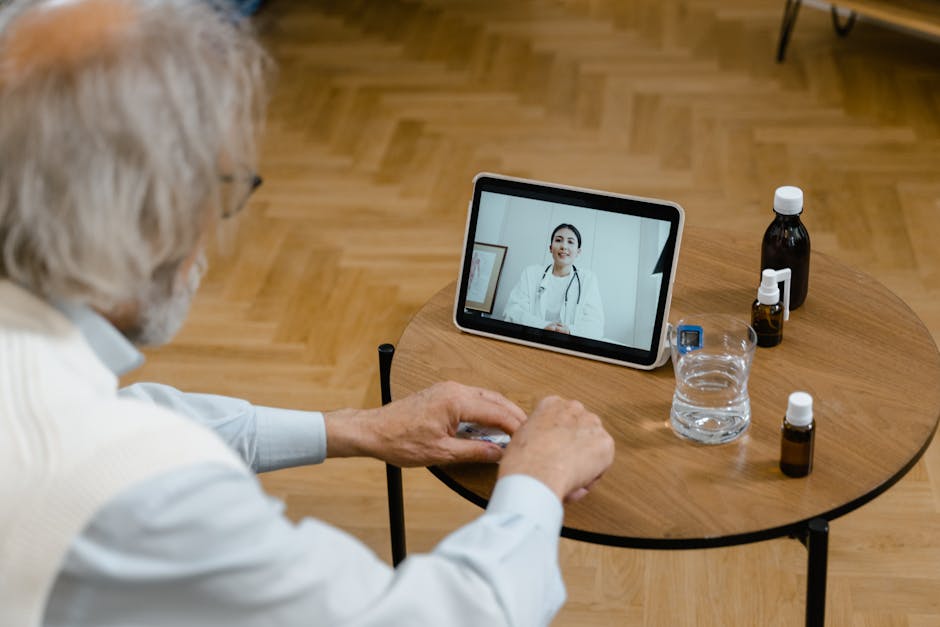
- Who prescribes? Only GMC-registered specialists can prescribe medical cannabis. General practitioners (GPs) do not have prescribing rights for CBPMs.
- Consultation content: The specialist reviews the patient’s full medical history, current medications, and discusses potential benefits and risks.
- Duration and follow-up: Consultations typically last 30-60 minutes, with follow-ups arranged to monitor response.
- Pricing transparency: Clinics must clearly state consultation fees and separately disclose prescription costs. Unfortunately, some neglect this, leading to unexpected expenses for patients.
- Remote prescribing declaration: In England, clinics offering remote prescribing must declare this activity to the CQC as part of their regulatory obligations.
Patients should always confirm upfront what their consultation includes, the total cost, and how prescriptions will be handled before committing.
Step 3: Prescription and Pharmacy Delivery
After a successful consultation, if the specialist decides that a medical cannabis prescription is appropriate, the next steps involve issuing the prescription and dispensing.
- Private prescription issuance: Unlike NHS prescriptions, these are filled through specialist pharmacies authorised to handle CBPMs.
- Pharmacy selection: Many clinics partner with licensed pharmacies to supply the prescription directly to the patient’s home, ensuring correct handling and secure delivery.
- Medication types and costs: Prescriptions may include a range of cannabis-based products such as oils, sprays, or capsules. Cost varies widely depending on dosage and product, and patients must budget accordingly for ongoing supply.
- Follow-up coordination: Clinic specialists typically schedule follow-ups to assess efficacy, side effects, and adjust dosing if needed.
Patients should receive clear instructions regarding storage, usage, and how to contact their clinic or pharmacy for support.
Regulation and Oversight in England: Role of the CQC
Private clinics offering medical cannabis services in England fall under the regulatory oversight of the Care Quality Commission (CQC). The CQC safeguards patient safety and care quality, including unique rules about remote consultations and prescribing:
- Clinics must register with the CQC if they provide remote consultations leading to prescription of CBPMs.
- They should maintain clear records, handle patient data securely, and follow prescribing guidelines.
- The CQC conducts inspections and can take enforcement action if standards slip.
Patients should verify that their chosen clinic is CQC-registered and compliant with these regulations. This adds a layer of trustworthiness in an otherwise underregulated private market.
Common Pitfall: Lack of Pricing Transparency
One frequent and frustrating issue for patients is incomplete information on pricing. Some clinics promote affordable consultation rates but do not disclose prescription costs upfront, leaving patients surprised by expensive follow-on charges.
To avoid this:
- Confirm the full cost of the initial consultation and any subsequent follow-ups.
- Ask for clear pricing information on prescriptions, including typical monthly costs and delivery fees.
- Beware of vague language such as "prices vary" with no further detail.
- Compare multiple clinics for value and transparency before deciding.
Summary: Key Questions To Ask Your Medical Cannabis Clinic
Area Questions to Ask Eligibility Screening How do you assess my suitability for medical cannabis? What medical information do you need up front? Consultations Who will conduct my consultation? Are they GMC-registered specialists? Is this via video? What is the consultation fee? Prescribing Do you provide remote prescribing? Is your clinic registered with the CQC? How are prescriptions handled? Pricing What is the total cost of consultation plus prescription? Are ongoing medication and delivery fees included? Follow-Up Is follow-up care included? How do you monitor treatment effectiveness and side effects?Final Thoughts
While medical cannabis is legally prescribable in the UK, patients face a challenging journey to access treatment due to NHS funding limitations and specialist prescribing restrictions. Private clinics offering video consultations and pharmacy delivery services can bridge this gap but vary significantly in quality and transparency.
Understanding the typical patient pathway — from eligibility screening to specialist consultation, then prescription and delivery — is essential to navigate safely. Patients must also be aware of regulations including the CQC’s role in England and the importance of transparent pricing.
Informed patients who ask the right questions and verify clinic credentials are better positioned to find safe, effective, and affordable medical cannabis care.

This guide was written by an experienced UK health journalist with extensive knowledge of private healthcare regulations and patient access to medical cannabis.