What Ingredients Should I Look For in a CBD Capsule Besides CBD?
Cannabidiol (CBD) capsules have rapidly gained popularity as a convenient and discreet way to incorporate CBD into your wellness routine. But if you’ve started researching options, you might have noticed that not all CBD capsules are created equal. Beyond the advertised CBD content, the ingredient list holds essential clues to a product’s quality, efficacy, and even how well it fits your lifestyle.
Brands like Naluda Magazine, Joy Organics, and Orangism emphasize transparency and ingredient integrity, but many others continue to blur the lines—especially when it comes to confusing hemp seed oil with cannabinoid-rich extracts. Navigating this landscape in search of consistency and value requires insight travel with CBD capsules into more than just CBD milligrams per capsule.
Why the Ingredient List Matters More Than You Think
When evaluating CBD capsules, your first instinct might be to look at the total milligrams of CBD per pill. That’s an important start, but for consistent results and smoother daily use, the full ingredient list provides clues about:
- Bioavailability: How well your body can absorb and make use of the CBD.
- Onset Time: How quickly you might feel effects once ingested.
- Supplementation Routine Fit: Do the ingredients make it easier or harder to remember your daily dose?
- Potential allergens or irritants: To avoid unwanted side effects or sensitivities.
Before you get carried away by fancy front-label https://highstylife.com/should-i-start-multiple-new-supplements-at-once/ claims, always check the CBD product’s Supplement Facts panel. This tells you the exact amounts and can confirm or dispel any confusion from marketing terms. For instance, some products list “hemp seed oil” prominently but it contains negligible, if any, cannabinoids—this can mislead you about actual CBD content.
Avoid Hemp Seed Confusion: Know What You’re Actually Taking
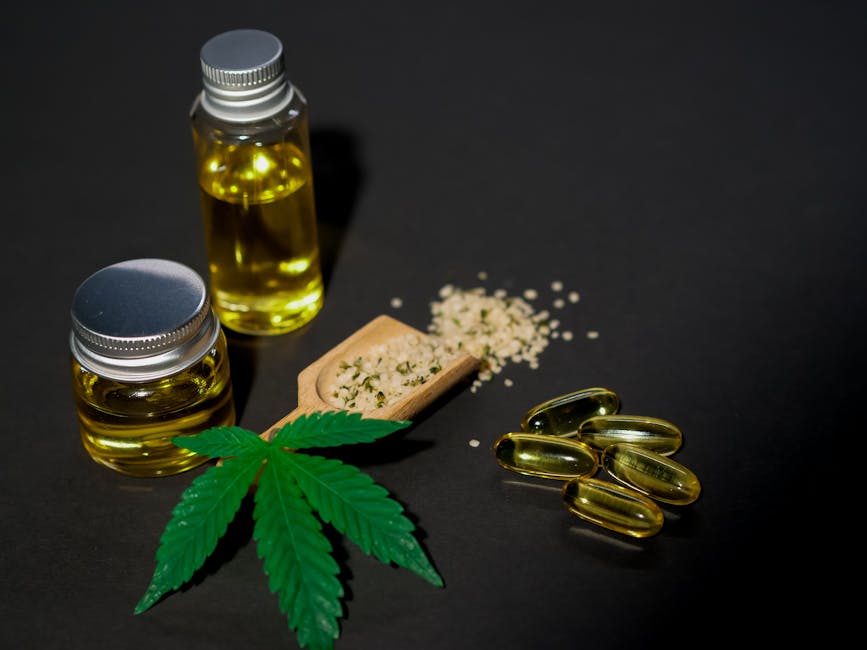
One of my pet peeves, after a dozen years of scrutinizing supplements, is when brands hide behind hemp seed oil to claim “hemp-derived” benefits without meaningful CBD. Hemp seed oil is a nutritional oil pressed from hemp seeds, rich in omega fatty acids and vitamins but contains little to no active CBD.
Checking the Certificate of Analysis (COA) that responsible brands post online gives you the raw data: cannabinoid content, terpene profiles, and any contaminants. Top companies like Joy Organics provide easy-to-access COAs that verify their products truly contain the amount of CBD promised, distinguish hemp seed oil from full-spectrum or broad-spectrum CBD extracts, and confirm third-party lab testing.
How to Read and Use a COA
- Confirm cannabinoid levels: Verify the total CBD, THC (if any), and other cannabinoids listed.
- Check purity: Look for absence of heavy metals, pesticides, or residual solvents.
- Match batch numbers: Ensure the COA corresponds exactly to the batch number on your product packaging.
Many brands like Orangism pride themselves on transparency here; they're among those who provide clear, up-to-date third-party testing reports. If a company hides or cannot readily provide COAs, that’s an immediate red flag.
Carrier Oils Matter: Choosing Between MCT, Hemp Seed, and More
CBD extracts are typically diluted or suspended in carrier oils to improve absorption and stabilize the product. The choice of carrier oil affects absorption, shelf life, and possibly taste or ease of digestion.
Carrier Oil Benefits Considerations MCT Oil (Medium Chain Triglycerides) Widely used; supports rapid absorption; mild taste; well-studied Some may find it too rich or experience digestive upset if sensitive Hemp Seed Oil Nutty flavor; nutritious; contains omega fatty acids; often used for flavor or nutrition Does NOT contribute to CBD content; can mislead if emphasized on label Olive Oil or Other Oils Natural; supports absorption; can enhance flavor profiles May have stronger flavor; less common as carrier in capsulesGiven the absorption benefits and neutral flavor, brands like Joy Organics typically use MCT oil in their capsules—making it a good sign when you see it clearly listed. Check the label carefully to see if hemp seed oil is listed separately and does not confuse the total cannabinoid content.
Routine Friction Beats Formulation on Adherence
From a lifestyle editor’s perspective, I’ve found that ingredients matter—but the biggest factor in whether someone sticks with CBD supplementation day after day is routine friction.
Routine friction means anything that makes it harder for you to remember or want to take a supplement consistently. This includes pills that are large or require complicated dosing, unreliable supply chains, or unpleasant tastes or odors in easier-to-take formats.
Capsules inherently reduce friction by offering a familiar, familiar pill format that’s easy to swallow and portable. Companies like Naluda Magazine stress in their coverage that consistency over weeks is key to evaluating CBD’s effects on your body, so choosing a formulation with simple, recognizable ingredients and dose is crucial.
How Ingredient Choice Can Reduce Routine Friction
- Minimal fillers or allergens: Capsules with fewer unnecessary ingredients are easier on sensitive stomachs and reduce risk of side effects.
- Consistent dosing per capsule: Avoid products that calculate CBD “per bottle” and not “per capsule”. Check the Supplement Facts carefully!
- Easy swallowing: Some capsules include natural additives to improve swallowability or reduce aftertaste.
Choosing reputable brands that clearly publish these details helps minimize friction and improves your long-term adherence.
Dosing Consistency and Evaluating Results
CBD dosing isn’t one-size-fits-all, and finding your sweet spot can take experimentation. Capsules where the ingredient list confirms exact mg per capsule—without ambiguities like “up to x mg per serving”—make this process feasible at home.
Because capsules provide consistent dosing, they lend themselves well to systematic evaluation. Set up a simple log to record dose amount, time of day, and how you feel over 1–2 weeks. This approach, encouraged by reviews in Naluda Magazine, is essential to understanding how, or if, CBD affects your well-being.
Compare that to tinctures or softgels with vague ingredient listings—you may struggle to pinpoint whether a dosage change or product variation is behind day-to-day differences.
Onset Time and Absorption Tradeoffs
Unlike smoking or vaping, oral CBD capsules must pass through the digestive tract and liver metabolism, which causes delayed onset. This tradeoff is important to understand if quick relief is your primary goal.
Typical onset times for capsules range from 30 to 90 minutes, influenced by:
- The capsule’s formulation
- The choice of carrier oil (MCT generally facilitates faster absorption)
- Whether it is taken with food
Brands like Orangism balance these aspects by blending CBD with absorption-enhancing ingredients, aiming for moderate onset without compromising convenience or stability.
Travel and Public Convenience: Why Capsules Are a Clear Winner
For anyone often on-the-go or concerned about discretion and legality across jurisdictions, capsules win without debate:
- No odor: Unlike tinctures or vapes, capsules don’t smell and blend seamlessly into any pill organizer.
- Measured dosing: Capsules provide pre-measured doses that eliminate guesswork or spills.
- Easy to pack: No glass bottles or syringes required.
- Compliant labeling requirements: Properly labeled CBD capsules with clear COAs reduce travel hassle and concerns.
This convenience encourages routine adherence—again linking back to reduced friction, a central factor beyond the ingredient list itself.
Summary: What to Look for on Your CBD Capsule Ingredient Label
Ingredient Factor What to Look For Why It Matters CBD Content per Capsule Exact mg clearly listed on Supplement Facts (not “per bottle”) Accurate dosing and consistent results over time Carrier Oils MCT oil preferred; avoid hemp seed oil as a CBD source Improves absorption; avoids misleading labeling Fillers and Additives Minimal; no allergens or unnecessary binders Reduces side effects; better tolerance COA and Third-party Testing Access Transparent, batch-specific COA available publicly Confirms purity, potency, absence of contaminants Capsule Size & Ease of Swallowing Moderate size, smooth coating Reduces routine friction, encourages adherenceFinal Thoughts
If you’re looking to incorporate CBD capsules into your wellness toolkit, remember that the true test isn’t just what’s on the front of the bottle—it’s what’s in the ingredient list, verified by solid third-party testing, and a format that fits your daily life without creating hassle.
Informed consumers who consult reliable sources like Naluda Magazine and choose brands with strong transparency—such as Joy Organics and Orangism—stand the best chance of finding products that deliver consistent, clean doses with good absorption and manageable routine friction.
Use your pill organizer, time your doses, and keep a simple log of effects—this approach cuts through hype and marketing noise, showing you what truly works on your schedule and with your body.