Is USDA Organic CBD Worth Paying Extra For?
With the booming popularity of cannabidiol (CBD) products, shoppers are increasingly hit with labels like USDA Organic CBD and certifications from various bodies, sometimes with little context. If you’ve browsed the hemp aisles or online stores, you’ve likely wondered: Does organic certification really matter in CBD? And is it worth shelling out extra cash? This post cuts through the marketing fluff to explain what USDA Organic means for CBD, how it compares to other certifications uncommon in CBD products, and why knowing how hemp is grown can protect your health and wallet.
CBD Basics: What It Is and What It Isn’t
Cannabidiol (CBD) is one of many cannabinoids naturally found in the hemp or cannabis plant. The famous psychoactive component tetrahydrocannabinol (THC) is what causes the "high" often linked to marijuana, but CBD itself is non-intoxicating. This crucial distinction means you can take certain CBD products without the mind-altering effects associated with THC.
Thanks to the 2018 Farm Bill, hemp-derived CBD products containing less than 0.3% THC by dry weight are federally legal in the United States. However, legal doesn’t necessarily mean safe or standardized. Each state might have additional regulations.
FDA’s Role and CBD Approval Status
The FDA has approved only one CBD-based drug: Epidiolex, a prescription medication for rare seizure disorders like Lennox-Gastaut syndrome and Dravet syndrome. This approval followed rigorous clinical trials proving safety and efficacy at tightly controlled doses.
However, over-the-counter (OTC) CBD supplements and wellness products are in a regulatory gray zone. The FDA has not approved these products as treatments for any condition, which means quality, potency, and safety can vary widely. Consumers must be savvy.
What Does USDA Organic Mean for CBD?
The USDA Organic certification is one of the most widely recognized standards for agricultural products in the U.S. It ensures the product meets strict guidelines covering:
- No synthetic pesticides, herbicides, or fertilizers.
- Non-GMO seeds and crops.
- Environmentally sustainable farming practices.
- No irradiation or sewage sludge fertilizers.
When you see the USDA Organic seal on a CBD product, it means the hemp used to make that product has been grown under these stringent standards, audited by accredited agents.
Why is USDA Organic Certification Uncommon in CBD?
Unlike fruits or vegetables, hemp is a regulated crop, but the CBD industry itself is relatively new and rapidly evolving. The cost and complexity of organic certification pose challenges for many hemp producers including:
- Long and expensive certification process—farmers must follow organic practices for 3 years before approval.
- Lack of processing facilities that meet organic standards for extraction and manufacturing.
- Supply chain complexities: from seed to finished product, every step must comply.
Therefore, seeing the USDA Organic label on CBD tinctures or topicals is still rare, which makes it stand out when present.
Why Batch-Specific Laboratory Reports (COAs) Matter More Than Buzzwords
A Certificate of Analysis (COA) is a laboratory report documenting chemical analysis of a specific batch of a product. It shows test results for things more info like THC levels, CBD potency, pesticides, heavy metals, solvents, microbial contamination, and more.
Many trustworthy CBD brands, including Joy Organics, publish batch-specific COAs online or by request. This transparency allows consumers to:
- Verify that THC levels are truly below the legal limit of 0.3%.
- Confirm CBD content matches label claims (labels often show the total CBD per bottle, not per serving, so always check servings).
- Assess absence of harmful contaminants that can be present due to poor farming or extraction practices.
Ignoring COAs and relying solely on vague claims like “THC-free” or “organic” without evidence can be a red flag for low-quality or even unsafe products.
How Hemp is Grown Affects CBD Quality and Safety
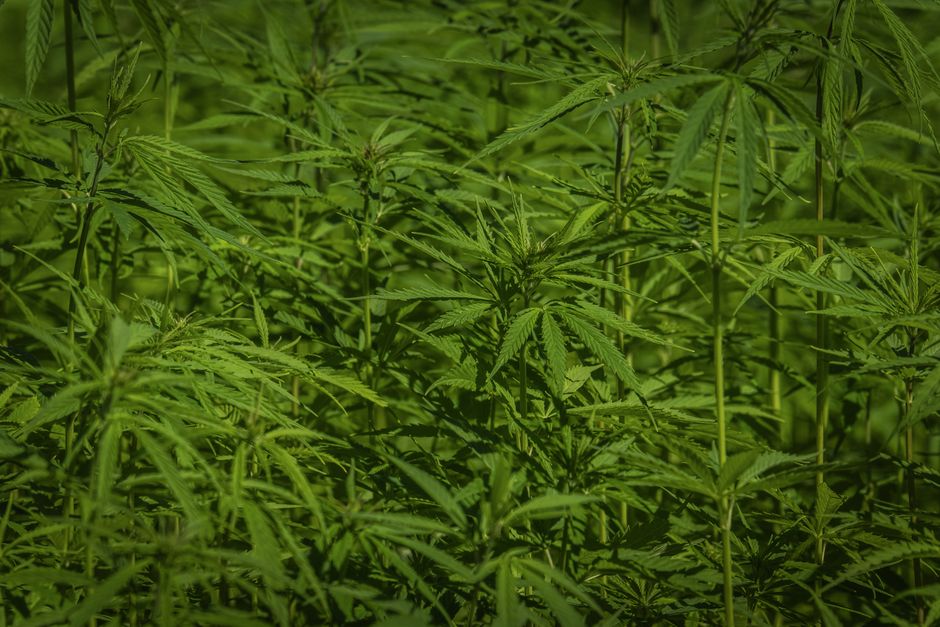
Hemp is a bioaccumulator, meaning it absorbs substances from the soil and environment—including heavy metals and pesticides. If grown in contaminated soil or treated with chemicals banned under organic standards, hemp can carry these into your final product.
Organic farming minimizes risks by restricting harmful chemicals and emphasizing soil health and biodiversity. While organic CBD might cost more upfront, it reduces the chance of exposure to toxic residues.
Partners in Quality: How Leading Companies Show Commitment
Joy Organics stands out for Informative post its commitment to using organically grown hemp wherever possible and providing full COAs for batches. This brand backs their claims by offering transparency that bridges the gap between marketing and science.

Is USDA Organic CBD Worth Paying Extra?
Here’s the reality check:
Factor USDA Organic CBD Non-Organic CBD Farming Practices No synthetic pesticides, sustainable methods May use pesticides & chemical fertilizers Contaminant Risk Lower risk due to regulated inputs Higher risk of pesticides, heavy metals Cost Higher upfront cost Often cheaper Transparency More likely to offer batch-specific COAs Varies, some brands lack transparency Effectiveness Depends mostly on CBD concentration and extraction quality Depends mostly on CBD concentration and extraction qualityIf you want a product with stringent environmental and purity standards and don't mind paying a premium, USDA Organic CBD is a solid choice. However, you should always ask for batch-specific COAs to verify safety and potency regardless of organic label claims.
Final Takeaway
While USDA Organic CBD certification is not common and commands a higher price, it can reduce exposure to potentially harmful contaminants and reflect better farming stewardship. However, it’s not a magic guarantee of quality or effectiveness on its own.
Look for reputable brands—like Joy Organics—that combine organic or sustainable growing practices with full transparency through batch-specific COAs. This combination is your best bet for safe, consistent, and effective CBD products.
Remember:
- “Organic” ≠ risk-free; always verify with lab tests.
- “THC-free” claims should be backed by precise COA results.
- Check that total CBD stated matches servings to understand your dose.
- Beware miracle-cure language and any brand ignoring drug interactions.
Invest wisely by prioritizing transparent, quality-controlled CBD. Your health and peace of mind are worth it.