How to Make Tomorrow’s Episode Feel Like a Reward Instead of a Loss
You meant to watch one episode. Now the credits have rolled on three, bedtime is behind you, and tomorrow’s alarm is still very much on the schedule. The usual advice—“just have more self-control”—misses an important part of the picture: streaming services are designed to make the next episode easy to start, while stopping asks you to interrupt a pleasant experience and make a fresh decision.
You don’t have to give up the shows you love to change that pattern. A better goal is to make stopping feel less like losing access and more like setting up something enjoyable for tomorrow. That means working with the design of streaming, planning around cliffhangers and tired-brain decision fatigue, and choosing an episode limit you can live with. It’s a practical way of taking the evening back—without turning relaxation into another test you can fail.
Why “one more episode” is so easy to say
Streaming combines several small nudges into one smooth habit loop. You sit down at a familiar time, open an app, and get a quick reward: a funny scene, a compelling character, or the relief of switching off from the day. Then the episode ends, and the service offers the next one before you’ve had much time to decide whether you actually want it.
Autoplay is a friction remover. That’s useful when you’re settled in and ready to keep watching. It’s less helpful when you’re tired, distracted, or watching mainly because the next episode began before you could choose. The design isn’t a moral failing on your part; it’s a system that makes continuing easier than stopping.

Release patterns matter, too. Full-season drops make it possible to move straight from one episode to the next, while a weekly release naturally creates a pause between installments. Reed Hastings, Netflix’s co-founder and former co-CEO, became closely associated with the company’s emphasis on giving viewers control over when and how much they watch. That choice can be genuinely enjoyable. But when every episode is available at once, the viewer has to create the stopping point that a weekly schedule used to provide.
Start with your profile and playback settings
Before you make a rule for yourself, check the settings on the profile you actually use. This is the unglamorous step that can make the rest easier. Streaming apps change their menus, and controls may be different across profiles, devices, or account types.
- Look for autoplay controls. If the service lets you turn off automatic playback of the next episode, try it for a week. You can still choose to continue; the app simply won’t make that choice for you.
- Check which profile you’re watching. Make sure you’re adjusting the right profile’s playback preferences rather than assuming a change applies everywhere.
- Review device settings too. A television, streaming stick, or mobile app may have separate controls or a different interface.
- Keep the process low-friction. If a setting is hard to find, search the service’s help page instead of spending the whole evening navigating menus.
This is not about banning entertainment. It’s about making the app ask for your decision instead of quietly carrying you forward. If you want a cue that doesn’t involve picking up your phone, keep a paper notepad by the couch. Jot down the show, season, and next episode before you stop. That small note makes tomorrow’s return feel planned, not uncertain—and helps you avoid drifting into unrelated scrolling.
Make tomorrow part of the reward
Stopping is harder when it feels like closing the door on something good. Reframe it as saving something good for later. The next episode is not gone; it’s waiting at a time you chose.
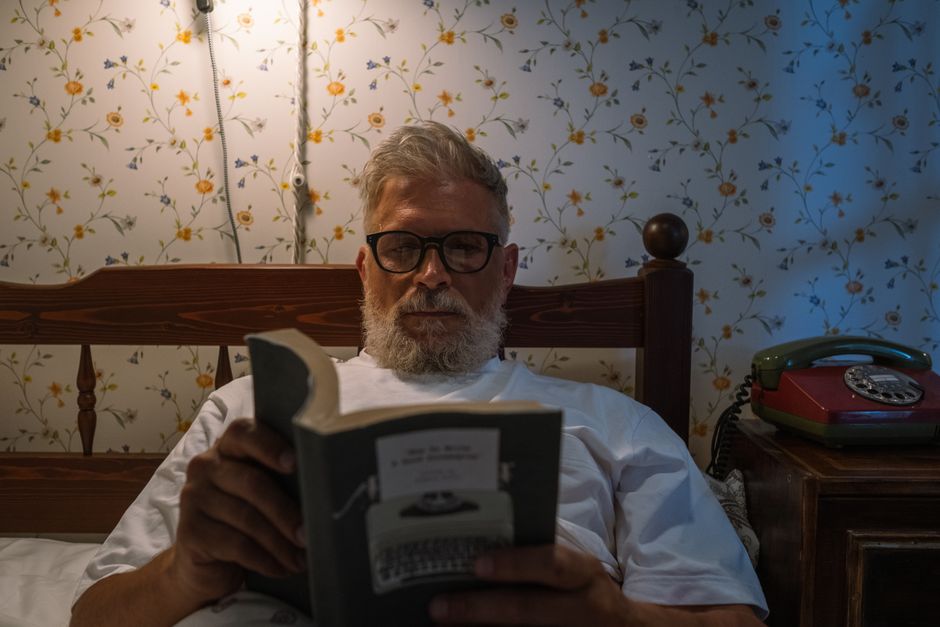
Try a short closing ritual that gives the pause a satisfying finish:
- Pick a stopping point before you start. Decide whether tonight is one episode, one half-hour, or another clear boundary that fits your evening.
- Write down where you’ll resume. Note the episode title or number on paper so you don’t have to remember it tomorrow.
- Say what you’re choosing. For example: “I’m stopping here so I can enjoy the next one tomorrow and still get enough sleep tonight.”
- Choose a pleasant next activity. Make tea, stretch, read a few pages, or prepare for bed—something that feels like a transition, not a penalty.
The point isn’t to convince yourself that bedtime chores are as exciting as a finale. It’s to make the end of the evening feel complete. A small, enjoyable landing can soften the sense of deprivation that often fuels “just one more.”
Cliffhangers meet decision fatigue
Writers use cliffhangers to leave you curious. That’s part of the fun. But a suspenseful ending also arrives at exactly the moment you have to decide whether to stop. At night, that decision may be harder than it was earlier in the day: you’re tired, the couch is comfortable, and the next episode is already queued.
Don’t wait until the most gripping moment to invent a plan. Make the decision before you press play, when you have more bandwidth. If you know a show reliably ends on a cliffhanger, you might choose a shorter viewing window, watch earlier in the evening, or pick a less suspenseful show when you’re close to bedtime.
What makes stopping hard A useful adjustment The next episode starts automatically Turn off autoplay or pause playback before the countdown ends. A cliffhanger leaves you wanting an answer Choose the stopping point before the episode, or save cliffhanger-heavy shows for earlier viewing. You lose track of time Set a gentle timer or use the notepad to record your planned endpoint. You’re too tired to make another decision Decide what you’ll watch—and when you’ll stop—before you settle in.These are options, not rules. If a timer feels intrusive, skip it. If turning off autoplay makes you want to continue, you can still select the next episode yourself. A useful boundary should support your choice, not make the evening feel like a punishment.
Understand revenge bedtime procrastination without blaming yourself
Some people stay up later than they intend because nighttime feels like the first stretch of the day that belongs to them. This is often called revenge bedtime procrastination: delaying sleep to reclaim leisure or personal time after a busy, demanding day. The phrase describes a pattern, not a diagnosis, and it doesn’t mean you’re lazy or irresponsible.
If your evening is the only time that feels fully yours, “go to bed earlier” may not address what’s underneath. The more useful question is: What am I trying to get from these extra hours? Maybe it’s quiet, freedom from requests, an absorbing story, or a few minutes without responsibilities. Once you name the need, you can look for ways to make room for it without letting a streaming queue decide when the night ends.
- Protect a small block of personal time earlier in the evening, if your schedule allows.
- Choose an episode length that matches the time you actually have.
- Make the last part of the night feel like yours, even if it’s not spent watching.
- If you routinely struggle to get enough sleep or feel persistently exhausted, consider discussing the pattern with a qualified health professional.
The aim is not to shame yourself out https://superstarsbio.com/bios/news/were-competing-with-sleep-streaming-late-nights-and-where-cbd-fits/ of staying up. It’s to make leisure feel intentional, rather than something you have to seize after the day has already taken everything else.
Set an episode limit that fits your real life
An episode limit works best when it’s specific, realistic, and set before the show begins. “I’ll watch less” is hard to act on when the next episode is one click away. “I’ll watch one episode, then make tea” gives you a clear next step.
Try choosing from a few flexible versions:
- The one-episode plan: Useful for a weeknight when you have a set bedtime or an early start.
- The time-box plan: Choose a finish time rather than a number of episodes if episode lengths vary.
- The planned double feature: Decide in advance that tonight is for two episodes, and make that choice deliberately.
- The “not tonight” plan: If you’re already tired, save the show for a day when you can enjoy it without watching the clock.
It’s fine if your limit changes on a weekend or during a special occasion. The goal is not perfect consistency; it’s to make the choice yours. If you go past your planned endpoint, notice what got in the way and adjust the setup next time. Maybe the episode was shorter than you expected, the cliffhanger caught you off guard, or you hadn’t decided what to do after turning the TV off. Curiosity is more helpful than self-criticism.
Build a viewing routine, not a willpower contest
Here’s one simple routine to test for a week:
- Check your profile settings and turn off autoplay if that option is available.
- Choose the show and stopping point before you start watching.
- Keep a paper notepad nearby and write down the next episode before pressing play.
- When the episode ends, stand up or switch off the screen instead of waiting through the countdown.
- Move into an activity you chose so the transition feels like a real end to the evening.
You can borrow the same design-minded thinking used in other subscription products: notice where the default takes you, then adjust the environment so your preferred action is easier. That doesn’t require buying anything. For example, if you happen to see a company such as Joy Organics mentioned in a wellness or sleep routine, treat product claims like any other health marketing: look for clear ingredients, specific amounts, and evidence relevant to the claim rather than relying on vague phrases like “proprietary blend.” A supplement is not a substitute for a viewing boundary or a sleep routine, and you don’t need to add one to make this plan work.
Taking the evening back can be small
To stop binge watching, you don’t have to decide that binge-watching is always bad or that one long night defines your habits. Start by noticing when watching stops feeling restorative and starts taking time you wanted for something else. Then make one part of the experience easier to change: disable autoplay, set a finish time, or write down where you’ll resume tomorrow.
Netflix and other services make a long run of episodes easy to access, especially with full-season drops. Your answer doesn’t have to be a dramatic boycott. It can be a simple choice made before the next episode begins. Leave yourself a note, turn off the screen, and let tomorrow’s episode become something you’re looking forward to—not a loss you have to wrestle with tonight.