How Do I Pull the Most Useful Number from a COA for the Pharmacist?
As a nurse turned outpatient medication reconciliation lead with over a decade of experience in adult primary care and cardiology, I’ve reviewed thousands of patient-brought supplement bottles. One of the most important tools in this process is the Certificate of Analysis (COA). Pharmacists, clinicians, and healthcare providers rely on COAs not just to confirm the safety and purity of supplements Click here but to understand the exact dosage patients are taking. This blog post will break down how to identify the most useful number from a COA for the pharmacist, focusing on key themes like batch matching, potency units, cannabinoid calculations, and trustworthy certifications like USDA Organic, NSF, and brands like Joy Organics.

What is a COA—and Why Does It Matter?
A Certificate of Analysis (COA) is a document provided by third-party testing labs that verifies the contents and quality of a supplement batch. It confirms if the product meets label claims, if contaminants are absent or below threshold levels, and provides potency numbers for active ingredients.
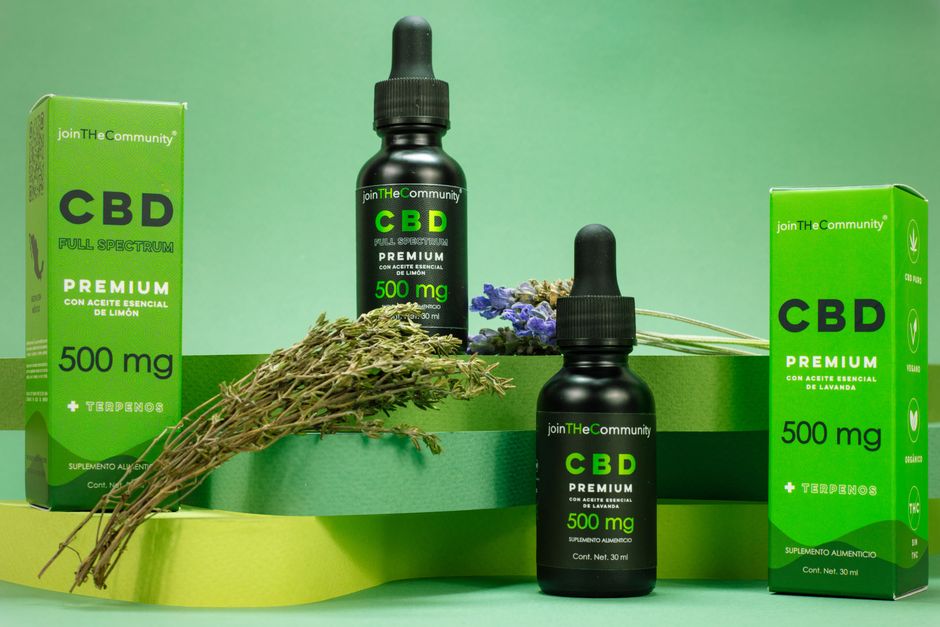
In the growing supplement market, especially for products like CBD oils, the COA is a lifeline to ensure quality and safety. Pharmacists need accurate, batch-specific data because these supplements can affect patient care plans, interfere with medications, or cause adverse events if taken incorrectly.
Why Pharmacists Look at COAs
- Verification: Ensures the product matches label claims exactly.
- Dosage accuracy: Helps ensure "mg per serving" is true to what the patient actually consumes.
- Safety: Checks for unwanted contaminants like heavy metals, pesticides, or solvents.
- Consistency: Confirms each batch is tested and consistent over time.
Batch and Date Matching: Essential First Steps
One of the first things I always do is check that the COA is batch matched to the patient’s actual supplement. The importance of this cannot be overstated. A COA from a different batch or an outdated test tells you nothing reliable about what the patient likely consumed.
How to Match the Batch
- Find the batch number: Look for a printed batch number on the supplement bottle or carton. Reliable brands usually print this prominently.
- Locate the batch number on the COA: The certificate must include a batch or lot number that matches exactly.
- Check dates: Verify the COA’s test date corresponds to the product’s manufacturing date range or expiration date.
- Use QR codes: Many reputable companies like Joy Organics include QR codes on their cartons or labels. Scanning the QR code can instantly retrieve an official batch lookup linked directly to the COA.
Never accept a COA that has no batch number or a batch that doesn’t match the product exactly. This is a red flag and can invalidate the entire potency analysis for the patient’s use.
Understanding Potency Units and Serving Size
Once the batch is matched, the next focus is on potency. For pharmacists, the most useful number on the COA is the potency expressed as mg per serving. This tells you how many milligrams of active ingredients (e.g., cannabinoids) the patient takes with each dose.
Common Potency Metrics on COAs
Potency Unit What it Means How to Use mg/mL (milligrams per milliliter) Concentration of active ingredient in liquid Multiply by mL dose patient takes to get mg per serving mg per capsule or tablet Amount per solid dose Typically direct mg per serving % by weight or volume Percent of ingredient within formulation Needs conversion based on serving sizeFor example, a COA might list 25 mg CBD per mL for an oil. If a patient takes 0.5 mL twice daily by oral route, the total daily dose would be 25 mg/mL × 0.5 mL × 2 = 25 mg daily CBD.
Why Serving Size Matters
Serving sizes vary widely across supplements, and pharmacists must correlate potency https://bizzmarkblog.com/how-do-i-avoid-unit-mistakes-when-reading-cannabinoid-lab-results/ numbers with the actual dose taken—route and frequency. A patient’s note like “I take one dropper three times a day” is far less useful without linking it to mg per serving from the COA.
Decoding Acid vs Neutral Cannabinoids and Total Calculations
For cannabinoid products, like those made by quality brands such as Joy Organics, understanding the forms of cannabinoids is key. The COA typically reports cannabinoid content in two forms:
- Acidic cannabinoids (e.g., CBDA, THCA) - naturally occurring forms that convert to neutral cannabinoids when heated.
- Neutral cannabinoids (e.g., CBD, THC) - active forms that interact with the body’s receptors.
The COA should list values for both, as well as a total cannabinoid figure.
Why This Matters
Different patients consume the supplement in various ways—some vaporize or cook them, activating acids, while others take oils orally, where acids are less bioavailable alone. Pharmacists need the neutral cannabinoid number to understand the actual pharmacologically active dose.
How to Calculate Total Cannabinoids
Many COAs provide a formula such as:
Total CBD = CBD + (CBDA × 0.877)The factor 0.877 accounts for the molecular weight difference between CBDA and CBD after decarboxylation. This total calculates the equivalent active cannabinoid dose if the acidic form were fully converted.
Certifications to Trust: USDA Organic, NSF, and Joy Organics
Not all COAs are created equal. When reviewing COAs for pharmacists, I pay special attention if the product has certifications or quality endorsements. Here’s why:
- USDA Organic: Indicates the plant was grown under strict organic agriculture standards without synthetic pesticides or fertilizers.
- NSF Certification: NSF International certifies supplements for safety, labeling accuracy, and absence of contaminants.
- Joy Organics: This brand is known for transparency, including batch-matched COAs accessible via QR codes, demonstrating a commitment to quality.
COAs linked via QR code or accessed through the brand’s batch lookup webpage give pharmacists greater confidence in the supplement’s authenticity and lab results.
Practical Tips From a Medication Reconciliation Lead
- Always ask to see the actual supplement bottle before discussing the COA. It’s the only way to verify batch number, expiration date, and exact product.
- Record potency in mg per serving first. Then ask about frequency and route to calculate total patient dose.
- Watch out for COAs with missing batch numbers or QR code links. These are red flags and may mean the COA is not authentic or valid for that product.
- Check if cannabinoids are reported as acid or neutral forms, and calculate totals where given. This distinction matters clinically.
- Keep a short mental checklist for COA red flags:
- No batch number on COA or carton
- Only a pass/fail panel without actual potency numbers
- COAs dated long before or after the product manufacturing date
- Missing key contaminant tests or incomplete panels
Conclusion
Pulling the most useful number from a Certificate of Analysis for the pharmacist means carefully matching batch and date, verifying serving size and dosage forms, understanding cannabinoid chemistry, and trusting certifications by reputed entities like USDA Organic, NSF, and brands like Joy Organics. The key figure is always the mg per serving of active ingredients, paired with frequency and route information to calculate precise patient dosing.
By developing this skill, nurses and pharmacists improve medication safety, optimize patient education, and support better therapeutic outcomes when patients use supplements in conjunction with their prescribed regimens.
```