How Do I Explain to a Patient That I Can't Verify Their Supplement?
In outpatient medication reconciliation, discussing patient-brought supplements is a routine part of clinical care. Yet, one of the most challenging conversations occurs when you need to explain that you cannot verify the supplement a patient is taking. Many patients assume that all supplements on the market are safe, standardized, and fully verifiable — but the reality in a supplemental landscape that is largely unregulated can be quite different.
This post will walk through practical, patient-centered communication strategies to explain supplement verification challenges. We’ll cover important topics such as Certificate of Analysis (COA) basics, batch and date matching, potency units versus serving sizes, and cannabinoid calculations. Along the way, examples from reputable companies like Joy Organics and certification programs such as USDA Organic and NSF will help frame the discussion. We’ll also highlight key tools like QR code batch lookups and batch numbers printed on cartons that empower both clinicians and patients.
Why Supplement Verification Matters
Supplements vary widely in quality, potency, and safety. Unlike prescription medications, supplements are not always rigorously tested or fully regulated. This variability poses risks for dose accuracy, drug-supplement interactions, and overall patient safety. As part of patient communication during med rec counseling, it is essential to convey why verifying a supplement’s authenticity and potency is critical.
- Patient safety: Incorrect dosing or unknown ingredients can cause adverse effects or interactions.
- Clinical accuracy: Knowing the supplement’s exact contents helps inform treatment decisions.
- Data integrity: Recording verified supplement details improves medical records and care continuity.
However, many supplements come without reliable verification tools like batch numbers or accessible COAs, complicating this process.
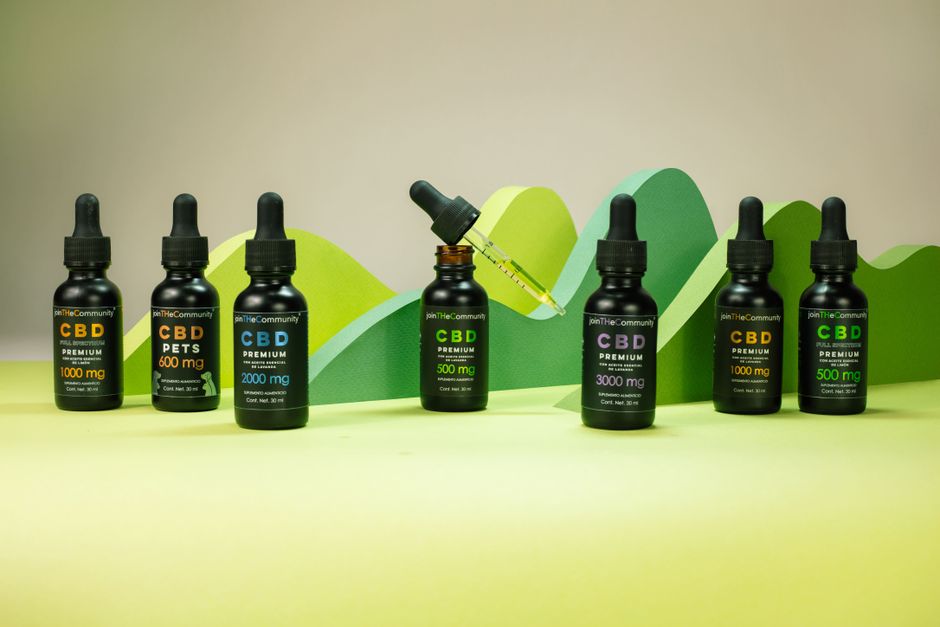
What Is a Certificate of Analysis (COA) and Why Does It Matter?
A COA is a laboratory document from an independent or third-party testing organization that verifies the contents and quality of a supplement batch. It provides detailed information such as:
- Batch or lot number
- Testing date
- Potency of active ingredients
- Purity and contaminants screening results
- Compliance with regulatory standards
For example, Joy Organics, known for its high-quality CBD products, makes COAs readily available with batch numbers and third-party testing transparency. Similarly, certifications like USDA Organic or NSF validate a product’s adherence to safety and quality standards. Having a COA aligns with both federal guidelines and best practices for healthcare providers trying to verify supplement legitimacy.
COA Red Flags to Watch For
- No batch or lot number: The COA must match the patient’s product batch exactly.
- Missing dates: Tests must be recent and correspond to the manufacturing date.
- Pass/fail without data: Panels that only say “pass” without quantitative results are insufficient.
- Unclear units or serving size: Results expressed ambiguously or without proper dosing context.
When educating patients, gently explain that you always ask to see the actual supplement bottle because these details are critical for proper verification. Without batch numbers or a valid COA, you simply cannot confirm the product's contents or safety.
Batch and Date Matching: Why It’s Not Just Fine Print
Even if a patient brings a COA, it only verifies that very batch or lot of the supplement tested matches quality and potency claims. Brands often change formulations or manufacturing processes from batch to batch.
Tools like QR code batch lookups printed on cartons serve as a quick way to verify a product’s authenticity in real-time. When patients scan these, they can access the batch-specific COA, production date, and expiration information directly. If a carton or bottle lacks a printed batch number or QR code, then verifying the product is nearly impossible.
How to Explain Batch and Date Matching to Patients
Try something like this:
"I want to make sure the supplement you’re taking is exactly what the label says it is. Verification depends on matching the batch or lot number on your bottle with laboratory test results. That’s why things like a batch number or barcode on the carton are so important. Without this, I can’t be confident the product is safe or consistent."
Potency Units and Serving Size: What Nurses Must Document and Why
One of my personal practice “quirks” is always recording potency first in mg per serving, then noting how the patient actually uses it. For example, a supplement could have 10 mg of an active ingredient per capsule, but a patient might be taking one capsule twice daily. Documenting both the standard dose per serving and patient usage clarifies the exact intake.
This becomes especially important when discussing cannabinoid-based supplements or botanicals where concentration per serving can vary widely. For example, Joy Organics lists milligrams of CBD per serving clearly on the label, which nurses can compare against the COA.
Educate patients on the significance of proper dosing:
- Standardized units help clinicians understand potency and assess safety.
- Patient-reported doses may differ, which can lead to underdosing or overdosing.
- Consistency matters: changes in serving size or frequency can impact therapeutic effect.
Acid vs Neutral Cannabinoids and Total Calculations
In supplements that contain cannabinoids, such as hemp-derived products, it’s important to differentiate between acidic precursors (like CBD-A) and their neutral, active forms (like CBD). COAs may report each individually along with a calculated total cannabinoid content.
Why does it matter?
- Potency: Neutral cannabinoids have the primary biological activity patients seek.
- Dosing accuracy: Confusing acidic versus neutral forms can misrepresent real dose.
- Labeling transparency: Some products report only total cannabinoids, obscuring the actual pharmacologically active dose.
I always check if the COA provides separate numbers for acidic and neutral cannabinoids and the method used to calculate total potency. If a patient’s supplement doesn’t provide this, or the COA lacks detail, I calmly explain that without clear labeling and testing, accurate verification isn’t possible.
Practical Tips for Patient Communication When You Cannot Verify a Supplement
- Always start by asking to see the actual bottle or carton. Patients may bring a slip of paper or say “I take this brand,” but seeing the product allows checking for batch numbers, labels, and QR codes.
- Explain COA basics simply and clearly. Use analogies related to medicine patients understand to emphasize why third-party testing and batch matching matter.
- Use visual aids if available. Show samples of batch numbers or QR codes when educating patients or peers.
- Document doses systematically. Write mg per serving first, then patient usage to avoid confusion and maintain perfect med rec documentation.
- Highlight potential risks without alarming. Say something like, “Because we can’t verify this product, I want to be cautious about possible contaminants or inaccurate dosing that may affect your care.”
- Recommend trusted brands or certifications. Suggest companies like Joy Organics or looking for USDA Organic, NSF, and other recognized certifications.
Conclusion
In outpatient clinical settings, communicating Look at more info that you cannot verify a patient’s supplement requires sensitivity, clarity, and education. Understanding the fundamentals of COAs, batch and date matching, potency units, and cannabinoid calculations equips you to provide practical counseling grounded in science and safety.
Encourage patients to purchase supplements with batch numbers and accessible COAs, such as those offered by Joy Organics, and look for trusted certifications like USDA Organic and NSF. Utilize QR code batch lookup tools when available to streamline verification.
By mastering these communication strategies and documentation nuances during med rec counseling, nurses and clinicians can support safer, more informed supplement use — all while strengthening the therapeutic alliance with patients.
