Does Oral CBD Work Differently Than Vaping CBD?
As CBD skyrockets in popularity—making its way into everything from gummies to vape carts—many folks want to know: does how you take CBD actually change how it works? Specifically, does oral CBD differ from vaping CBD in effect, timing, and overall experience? Spoiler: yes, and the differences are tied deeply to CBD’s pharmacology and your body’s processing.
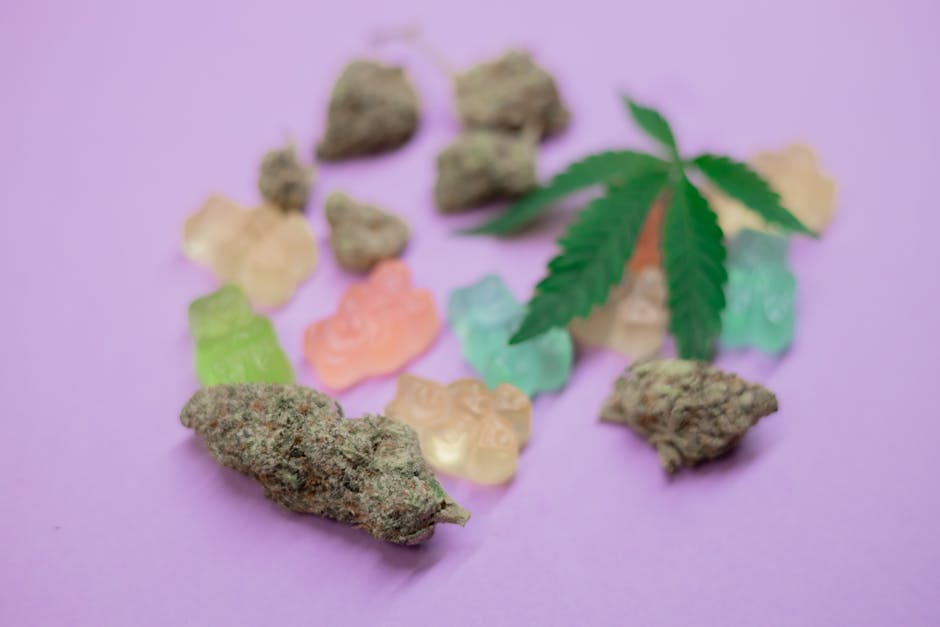
CBD Basics and THC Distinctions
Let’s start with the fundamentals. CBD (cannabidiol) is one of many cannabinoids found in cannabis plants but unlike THC (tetrahydrocannabinol), it doesn’t produce a “high.” The FDA stresses the importance of accurate labeling and avoiding unsubstantiated claims, reminding us that scientific exploration is ongoing.
Hemp plants legally contain ≤0.3% THC by dry weight. This is the legal threshold that distinguishes hemp from marijuana in the U.S. and many other jurisdictions. Products derived from hemp that contain less than 0.3% THC are federally legal in the U.S., which is why you see many CBD products marketed with this “0.3% THC” standard.
Still, companies like Joy Organics emphasize non-detectable THC in some products, appealing to consumers who want zero THC exposure for work or drug testing reasons—especially since the World Anti-Doping Agency (WADA) recently removed CBD from its banned substances list, https://smoothdecorator.com/why-does-cbd-hit-some-people-and-do-nothing-for-others/ but THC remains prohibited.
Key CBD Delivery Methods: Oral vs Vaping
The two most common ways to consume CBD are orally (gummies, tinctures, capsules) and inhalation (vaping or smoking). They differ greatly in how quickly your body absorbs the CBD and how much actually enters your bloodstream—a concept known as bioavailability.
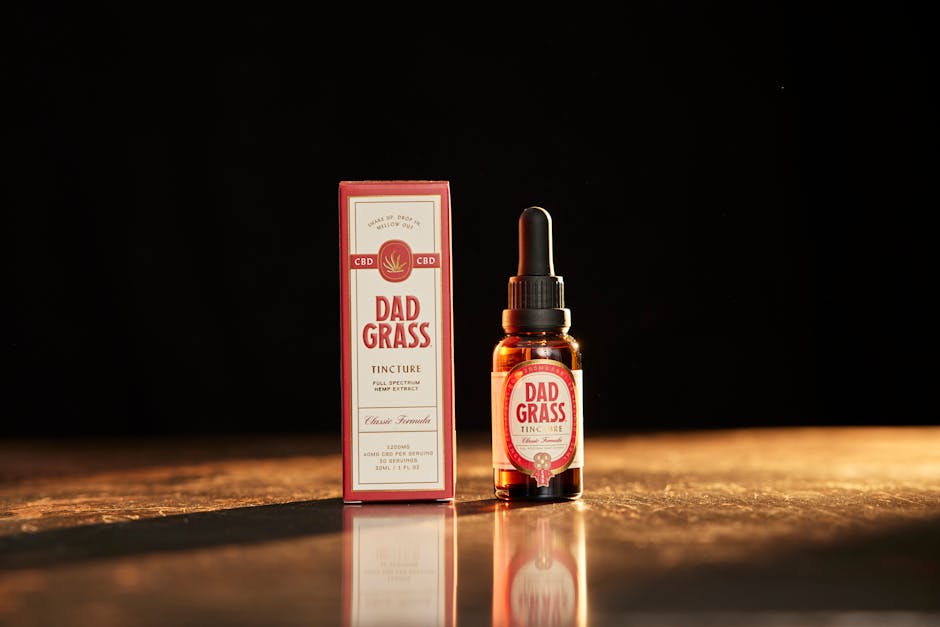
Oral CBD: First Pass Metabolism
When you swallow CBD—as a gummy, capsule, or tincture—you’re subjecting it to first-pass metabolism in your liver. Browse this site This means a portion of the CBD is broken down before it even reaches systemic circulation.
- Bioavailability Oral CBD is estimated around 6-20%, depending on formulation and individual metabolism.
- It typically takes anywhere from 30 minutes to 2 hours before you feel effects, as digestion slows absorption.
- Dosing is challenging because commercial gummies often have 10-25 mg per serving, while many clinical studies use 100-600 mg daily—far higher than most users take.
This “dosing mismatch” is a common issue. Many CBD supplement users buy inexpensive gummies with modest dosages, expecting fast, potent effects like studies with pharmaceutical-grade isolates—but the reality is most oral CBD products deliver lower, slower bioavailability.
Vaping CBD: Fast Delivery into the Bloodstream
Vaping CBD puts it straight into your lungs, where it rapidly crosses into the bloodstream via alveoli, circumventing the digestive system and first-pass metabolism.
- This results in much higher bioavailability—some studies estimate between 30-60%—and a quicker onset within minutes.
- Because of fast absorption, vaping can offer more immediate relief for anxiety, acute pain, or even performance-related stress.
- However, the effects vaporized CBD produce tend to wear off more quickly than oral routes.
It’s worth noting that vaping technology and product quality vary wildly, and reputable companies like Joy Organics avoid vape products due to concerns about harmful additives sometimes found in vape cartridges.
Evidence Strength: Anxiety vs Sleep vs Performance
What if your goal isn’t just “taking CBD” but: “help anxiety,” “improve sleep,” or “support athletic performance?” Let’s break down what scientific research says about these.
Anxiety
Most solid research on CBD's anxiolytic (anxiety-reducing) effects use oral dosing, with purified isolates in doses ranging from 300 to 600 mg per day—much higher than typical consumer gummies provide. These studies suggest oral CBD can reduce anxiety symptoms over an extended period, with delayed onset consistent with oral absorption.
Meanwhile, anecdotal reports and some smaller studies suggest vaping can provide rapid anxiety relief during panic attacks or acute stress, though the evidence is less robust.
Sleep
CBD's effects on sleep are mixed and remain a bit controversial scientifically. Oral CBD has shown potential to improve sleep quality and reduce insomnia in some studies, often paired with small THC doses or used with other cannabinoids. The slower, sustained absorption with oral CBD might be preferable here for longer-lasting effects.
Vaping for sleep is less common, given the short-term effects and potential for lung irritation.
Performance
In the realm of athletic performance and recovery, CBD does not give you a “high” but may help with inflammation and stress. The World Anti-Doping Agency (WADA) removed CBD from its banned substance list, signaling growing acceptance.
Oral CBD is usually favored for long-term recovery support, though some athletes use vaping for acute stress or pain management.
Understanding the Dosing Mismatch
One key frustration in the CBD community arises from the dosing mismatch between popular consumer products and clinical study protocols. Let’s do the math:
Typical CBD Gummy Serving CBD per Dose (mg) Cost per Gummy Clinical Study Dose Fold Difference Joy Organics Gummies (Example) 10 - 25 mg $2 - $3 300 - 600 mg daily 12x - 30x higherMany people rely on single gummies or small doses, expecting similar effects to clinical studies using huge, purified doses. This partially explains why some feel oral CBD “doesn’t work”—the dose isn’t high enough, compounded by low bioavailability from first-pass metabolism.
Vaping, by contrast, offers faster, more efficient absorption but usually in lower absolute doses, which might suit acute dosing but not sustained effects.
Summary: Does Oral CBD Work Differently Than Vaping CBD?
- Yes. Oral CBD goes through first-pass metabolism, leading to lower bioavailability and a slower onset (30 min to 2 hours).
- Vaping CBD delivers faster effects (within minutes) and higher bioavailability but shorter duration.
- Oral dosing is typically preferred for sleep and sustained anxiety relief; vaping suits rapid symptom relief but carries risks associated with vaping products.
- Dosing mismatches between clinical studies and gummies mean many users don’t get the same effects as trials without increasing dose or changing delivery method.
- Legality hinges on maintaining ≤ 0.3% THC, and WADA approval means CBD use is increasingly accepted in sports—though THC remains banned.
- Reputable companies like Joy Organics focus on transparency, quality, and often avoid vape products due to health concerns and regulatory uncertainty.
Final Thoughts: Know What You’re Taking
My biggest tip: always check the batch lab report before purchasing CBD products. This is your assurance that CBD levels and THC content match the label, and that no contaminants hide in the formula. Avoid trusting “full spectrum” labels blindly—full spectrum means trace THC, but not necessarily stronger effects by default. Also, be mindful of potential drug interactions; CBD isn’t a benign supplement in every context.
Ultimately, oral CBD and vaping CBD are two tools with distinct pharmacokinetics and user experiences. Choose your method aligned with your goals, timing needs, and health concerns—and keep expectations grounded in the realities of dosing and bioavailability.